Devotion
Divine Mercy Sunday
Devotion to Christ
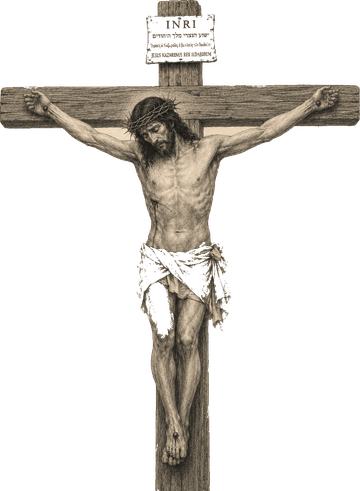
The Second Sunday of Easter is kept as Divine Mercy Sunday, the day the Church sets aside to receive the mercy that flowed from the pierced side of the risen Christ.
Background
Here liturgy and devotion are joined. John Paul II established the Second Sunday of Easter as Divine Mercy Sunday for the universal Church at the canonisation of St Faustina Kowalska on 30 April 2000; the day is the octave day of Easter and its Gospel is the appearance of the risen Lord to the apostles with Thomas. The devotional practices connected with it — the image of the Merciful Jesus, the chaplet, the hour of great mercy — come from the spiritual writings of St Faustina, and the Apostolic Penitentiary attached an indulgence to the devout observance of the day by a decree of 29 June 2002.
How to practice
Go to sacramental confession in the days before or after the Sunday and receive Holy Communion on the day itself, and pray for the intentions of the Holy Father — the ordinary conditions for a plenary indulgence, which also require that the heart be wholly detached from affection for sin. Take part in the prayers and devotions held in honour of Divine Mercy in a church or chapel; where none are held, pray the Our Father and the Creed before the Blessed Sacrament exposed or reserved, adding a devout invocation of the merciful Lord Jesus such as 'Merciful Jesus, I trust in you.' Many keep the Chaplet of Divine Mercy through the nine days from Good Friday as a preparation, and pray at three in the afternoon, the hour of the Lord's death.
Indulgences
- Citation
Apostolic Penitentiary, Decree on indulgences attached to devotions in honour of Divine Mercy (29 June 2002), approved by Pope John Paul II: a plenary indulgence, on the usual conditions of sacramental confession, Eucharistic Communion and prayer for the intentions of the Supreme Pontiff, and in a spirit wholly detached from affection for sin, for the faithful who on the Second Sunday of Easter take part in prayers and devotions in honour of Divine Mercy in any church or chapel, or who before the Blessed Sacrament exposed or reserved recite the Our Father and the Creed with a devout prayer to the merciful Lord Jesus.
Content subtype
christological