Devotion
How to Begin and End the Day with Prayer
Catholic devotion · 6 steps
A simple daily rule of prayer that fits an ordinary life: the Morning Offering on waking, the Angelus at noon, a moment of Scripture, the evening examen and night prayer.
6 steps · About 10 minutes
The Catechism teaches that prayer is a habit to be learned, and that the Christian tradition has always marked certain moments for it: morning and evening, before and after meals, and the Hours of the day. This guide offers a small rule that a busy person can actually keep — a few minutes at the beginning, the middle and the end of the day — built from prayers the Church has used for centuries. A rule of life is not a burden but a set of handrails: on the days you feel nothing, it carries you.
What you need
- Ten minutes across the day, split between morning, noon and evening
- The texts of the Morning Offering, the Angelus and the Act of Contrition until you know them
- A Bible, or the day's Mass readings from a missal or app
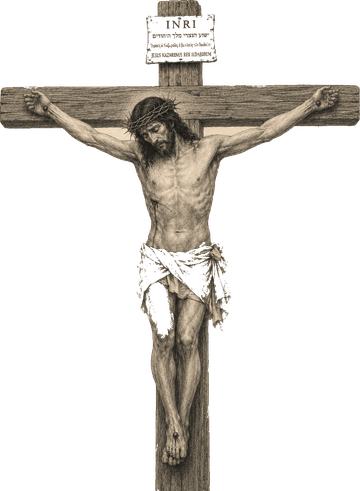
- A fixed place to pray, even if it is only a chair facing a crucifix
When to pray it
On waking, at noon, and before sleep, every day. The times matter less than the fixedness: the same moments, kept daily, become prayer without effort.
Steps
Step 1: On waking: the Morning Offering
Before the day claims you, make the and pray the : 'O Jesus, through the Immaculate Heart of Mary, I offer you my prayers, works, joys and sufferings of this day in union with the Holy Sacrifice of the Mass throughout the world...' Everything you will do today — the work, the interruptions, the tiredness — is given to God in advance, joined to every Mass being offered in the world. Add a short intention for the day, and, if you like, the .
Step 2: At noon: the Angelus
Set an alarm for noon and stop for one minute. Pray : the three versicles, 'The Angel of the Lord declared unto Mary... Behold the handmaid of the Lord... And the Word was made flesh,' each followed by a , then 'Pray for us, O holy Mother of God' and the collect. In Easter Time pray the instead. This midday pause puts the Incarnation into the middle of the working day; Catholics have kept it for centuries at the sound of the church bell.
Step 3: Sometime in the day: a moment of Scripture
Read the Gospel of the day's Mass, or a few verses of a Gospel read in order, slowly and once. Stop at a word or phrase that strikes you and stay with it for a minute; ask what God is saying to you through it, and answer him. This is the beginning of lectio divina, which the Church commends to every Christian as the ordinary way of praying with the word of God. Five minutes is enough.
Step 4: In the evening: the examen
Before supper or before bed, take five minutes to look back over the day with God. Thank him for what was good, and name two or three specific things. Ask the Holy Spirit for light, then walk through the day from morning to now: where did you act with love, and where did you fail? Be sorry for the failures and pray the . Finally, look to tomorrow and ask for one grace you will need. Saint Ignatius of Loyola shaped this practice, and the Catechism describes the daily examination of conscience as a normal part of Christian life.
Step 5: Before sleep: night prayer and the guardian angel
End the day as the Church does in Night Prayer. Pray the and a , then the , the : 'Lord, now you let your servant go in peace...' Commend yourself to God with 'Into your hands, Lord, I commend my spirit,' and pray the : 'Angel of God, my guardian dear, to whom God's love commits me here, ever this day be at my side, to light and guard, to rule and guide. Amen.' Many end with a Marian antiphon such as the and the .
Step 6: Keeping the rule
Write your rule down — three lines are enough — and keep it where you pray. Review it once a month: is it too much, too little, being kept? Adjust it rather than abandoning it. Bring it to confession or to a spiritual director if you have one. Sundays are for Mass and rest, not for extra obligations, so let the rule be lighter that day. The aim is not to have prayed a certain number of prayers but to have lived the whole day, from waking to sleep, in the presence of God.
Tips
- Start with less than you think you can manage. A rule you keep for a year does more than a generous one you abandon by Lent.
- Tie each prayer to something you already do: the Morning Offering before you check your phone, the Angelus with lunch, the examen while brushing your teeth.
- If you miss the morning, do not skip the day. Pick up the rule at the next moment.
- As the rule takes root, let it grow toward the Liturgy of the Hours or a daily decade of the Rosary rather than adding many small devotions.