Lent
How to Observe Holy Week
Palm Sunday through Holy Saturday, day by day: the palms, the Chrism Mass and confession, the Mass of the Lord's Supper and adoration, the Celebration of the Passion, the silence of Holy Saturday, with practical notes on what to bring and on bringing children.
8 steps · About 30 minutes
Holy Week is the week the whole liturgical year is built around. It opens with Palm Sunday, when the Church enters Jerusalem with Christ and then hears the story of his Passion, and it culminates in the Easter Triduum, the three days from the evening of Holy Thursday to Easter Sunday evening that the Church celebrates as one single liturgy of the Lord's death and resurrection. Nothing else in the year is like it, and no one who has kept it fully is unmoved. This guide walks through the week in order so that you can arrange your life around it rather than fitting it in.
What you need
- Your parish's Holy Week schedule, including the Chrism Mass at the cathedral
- Time off or an early finish on Holy Thursday and Good Friday if you can arrange it
- A plan for the Good Friday fast and, if possible, the Holy Saturday fast
- Comfortable shoes; several of the liturgies involve standing and processions
When to pray it
From Palm Sunday to Holy Saturday. The Triduum liturgies are the evening Mass of the Lord's Supper on Holy Thursday, the Celebration of the Passion on Good Friday (usually around three in the afternoon), and the Easter Vigil after nightfall on Holy Saturday.
Steps
Step 1: Palm Sunday: enter Jerusalem and hear the Passion
Palm Sunday of the Passion of the Lord begins, where possible, outside or at the church door with the blessing of palms and the Gospel of Jesus' entry into Jerusalem, followed by a procession into the church while the people sing. Hold your palm up during the blessing and carry it in the procession. The Mass then turns sharply: the Passion according to Matthew, Mark or Luke, depending on the year, is read, often with the congregation taking the crowd's lines. Take your palm home and place it behind a crucifix or holy picture; it is a blessed object, and when it is replaced it should be burned or buried, not thrown away.
Step 2: Monday to Wednesday: confession, Tenebrae and the Chrism Mass
The first three days of the week are quiet in the liturgy and busy in the parish. Go to confession on one of these days if you have not already done so this Lent; it is the ordinary way to prepare for Easter. In many cathedrals and parishes the Office of Readings and Morning Prayer of the last three days are sung publicly, a service traditionally called Tenebrae, with candles extinguished one by one; it is worth finding. The Chrism Mass, at which the bishop blesses the oils of the sick and of catechumens and consecrates the chrism, and the priests renew their promises, is celebrated at the cathedral, usually on Holy Thursday morning or earlier in the week; all the faithful are welcome.
Step 3: Holy Thursday: the Mass of the Lord's Supper and the watch
Lent ends and the Triduum begins with the evening Mass of the Lord's Supper. The Gloria returns, the bells ring during it, and then fall silent until the Vigil. The Gospel is Jesus washing his disciples' feet, and after the homily the priest may wash the feet of some of the people. After Communion the Blessed Sacrament is carried in procession to a place of repose, and the faithful are invited to stay and keep watch in adoration, as the apostles were asked to in Gethsemane; solemn adoration continues until midnight but not beyond it. The altar is then stripped bare. Stay for an hour if you can; an () prayed before the altar of repose is a fitting way to end the day.
Step 4: Good Friday: the fast and the Celebration of the Passion
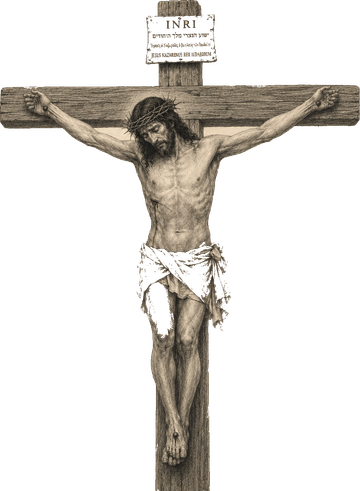
Good Friday is a day of fast and abstinence and, wherever possible, of silence. No Mass is celebrated anywhere. The Celebration of the Passion of the Lord, usually at three in the afternoon or, for pastoral reasons, later, has three parts: the Liturgy of the Word, with the Passion according to John and the Solemn Intercessions for the Church and the world; the Adoration of the Holy Cross, when a single cross is unveiled with the words 'Behold the wood of the Cross, on which hung the salvation of the world' and the people answer 'Come, let us adore', and then come forward one by one to venerate it; and Holy Communion from the hosts consecrated the night before. The How to Keep Good Friday guide walks through the whole day. Many parishes also pray the Stations of the Cross in the morning or evening.
Step 5: Holy Saturday: keep silence and wait for the Vigil
Holy Saturday is the day the Church waits at the tomb. There is no Mass, the altar is bare, Communion is given only as Viaticum to the dying, and the Church commends continuing the fast of Good Friday until the Vigil. It is the one day of the year for doing nothing in particular: silence, the Office, a walk, the Stabat Mater or the Rosary's Sorrowful Mysteries prayed with Our Lady of Sorrows. In the morning the parish's elect gather for their preparation rites. The Easter Vigil, the greatest liturgy of the year, begins after nightfall and must not begin before dark; check the time, because it varies with the sunset.
Step 6: Easter Sunday: keep the feast
Easter Sunday morning Masses celebrate the same Resurrection the Vigil announced, with the renewal of baptismal promises and sprinkling often replacing the Creed. If you were at the Vigil, you have already fulfilled the Sunday obligation, but the Church keeps the feast for fifty days, and Easter Sunday itself is only the first of the eight days of the Octave, each celebrated as a solemnity. Eat well, ring what bells you have, and pray the Regina Caeli in place of the Angelus from now until Pentecost.
Step 7: What to bring and how to dress
Bring a missal or the parish's worship aid, because these liturgies are long and unfamiliar even to regular Mass-goers, and bring a little money for the Good Friday collection for the Holy Land, taken in every Catholic church that day. Dress as you would for Sunday Mass, with shoes you can stand and walk in: Palm Sunday and Holy Thursday have processions, Good Friday has the veneration line, and the Vigil begins outdoors around a fire. On Holy Thursday and at the Vigil the church may be dark for long stretches; keep a small light in your pocket for reading if you need one.
Step 8: Bringing children
Children can keep Holy Week well if it is explained beforehand and kept short where it must be. Palm Sunday, with its palms and procession, and the washing of feet on Holy Thursday speak to them directly. On Good Friday, the veneration of the Cross, which they can do themselves, is the moment they remember; the Passion reading is long, and a picture book of the story read at home that morning helps. The Vigil is late and lasts two to three hours; older children love the fire and the candles, and younger ones can come to Mass on Easter morning instead. Let them fast in a small way, by giving up a treat, so the feast means something.
Tips
- The three Triduum liturgies are one celebration. Try to attend all three; if you can only manage one, most priests would point you to the Easter Vigil.
- There is no Mass on Good Friday or during the day on Holy Saturday anywhere in the Church; do not be surprised by the empty tabernacle and the bare altar.
- Go to confession early in the week. Many parishes offer extended hours on Monday, Tuesday and Wednesday and few or none from Thursday on.
- Bring last year's palms back to the parish before Lent; they are burned to make the ashes of Ash Wednesday.