Sacraments
How to Prepare for Viaticum and the Last Rites
Preparing for the Anointing of the Sick · 7 steps
The sacraments the Church gives to the dying — Penance, the Anointing of the Sick, and Viaticum, the last Holy Communion — with the apostolic pardon and the prayers of commendation, and how to arrange them in time.
7 steps · About 15 minutes
What Catholics call 'the last rites' is not a single rite but the Church's whole care for a person who is dying: the Sacrament of Penance, the Anointing of the Sick, and above all Viaticum, Holy Communion received as food for the journey from this life to the Father. The Catechism (1524-1525) calls Viaticum the sacrament of those departing, and says that Penance, Anointing and the Eucharist as Viaticum together form, at the end of Christian life, the sacraments that prepare for our heavenly homeland. This guide explains what each part is, so that a family knows what to ask for and a sick person knows what to expect.
What you need
- A priest, called in time; a deacon or an extraordinary minister of Holy Communion may bring Viaticum if no priest is available, but only a priest can hear a confession and anoint
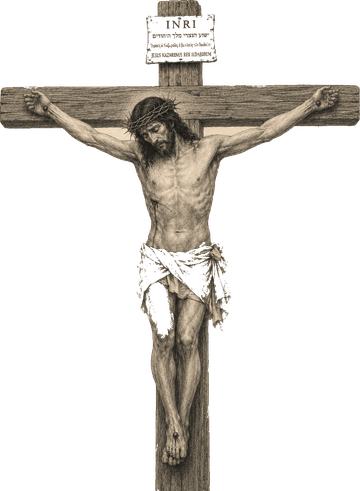
- A small table by the bed with a cloth, a crucifix, a candle, and a glass of water
- The family gathered, so far as possible, and a quiet room
- The sick person's baptismal promises: the rite asks them to renew them, and it helps to know the words of the Apostles' Creed
When to pray it
As soon as death appears to be approaching: when hospice care begins, when the doctors speak of days or weeks rather than months, or when a sudden decline makes death likely. Viaticum may be received even if the person has already received Communion that day.
Steps
Step 1: Understand what the last rites are
The Church's book, Pastoral Care of the Sick: Rites of Anointing and Viaticum, provides for the dying a continuous rite in which Penance, Anointing and Viaticum are celebrated together, and a separate rite of Viaticum for a person who has already been anointed. The heart of it is Viaticum, from the Latin for provisions for a journey: the Body of Christ given to a Christian who is leaving this life, in the words of the Catechism the seed of eternal life and the power of resurrection. Around it the Church places the forgiveness of sins, the strengthening of the Anointing, the renewal of baptismal promises, the apostolic pardon, and the prayers that commend the dying person to God.
Tips
- Ask for Viaticum by name. Families often ask only for the Anointing; the priest will bring both, but Viaticum is the sacrament proper to the dying.
- The one-hour Eucharistic fast does not bind the sick, the elderly, or those caring for them, so a person may receive even after eating.
- If the person can no longer swallow the Host, a small fragment or the Precious Blood may be given; if they cannot receive at all, the priest will still anoint and pray the commendation.
- Where a priest cannot reach the person in time, the Church still provides: the Church grants a plenary indulgence at the moment of death to a Catholic who is properly disposed and has been in the habit of praying during life, and a crucifix or cross is recommended for it.