Sacraments
How to Request the Anointing of the Sick
Preparing for the Anointing of the Sick · 7 steps
Who may receive the Anointing of the Sick, why you should not wait until the last hour, how to arrange it with a parish or hospital chaplain, and what happens in the rite.
7 steps · About 10 minutes
The Anointing of the Sick is the sacrament by which Christ strengthens those who are seriously ill or weakened by age, uniting their suffering to his own Passion, giving them peace and courage, forgiving their sins, and, if it is God's will, restoring their health. It is not a sacrament only for the dying: the Second Vatican Council asked that it no longer be thought of as 'extreme unction', and the Catechism says it should be received as soon as a member of the faithful begins to be in danger of death from sickness or old age. Only a priest can anoint, so the practical task is to ask in time.
What you need
- The phone number of your parish, or of the Catholic chaplain at the hospital or nursing home
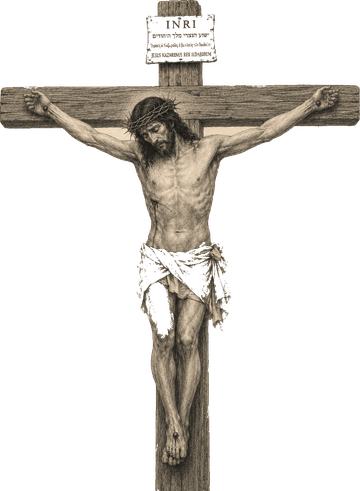
- A quiet room with a small table, a cloth, and, if you have them, a crucifix and a candle
- The sick person's wish to receive the sacrament, or, if they cannot express it, the reasonable assumption that they would want it
- A short account for the priest of the person's situation and whether they would also like to go to confession and receive Communion
When to pray it
As soon as an illness or the frailty of old age becomes serious: before a major operation, at a grave diagnosis, on entering hospice care, or whenever an elderly person grows notably weaker. It may be received again if the person recovers and falls ill anew, or if the same illness worsens.
Steps
Step 1: Know who may be anointed
Canon 1004 provides that the Anointing of the Sick can be administered to any member of the faithful who, having reached the use of reason, begins to be in danger because of illness or old age. That includes a person facing serious surgery, someone with a grave or chronic condition that has taken a serious turn, and the elderly who are notably weakened even without a named illness. Children who are old enough to understand the sacrament may receive it. It is not given for minor ailments, and it is not given to the dead. If there is doubt whether the person has reached the use of reason, is dangerously ill, or is still alive, the priest may anoint conditionally.
Tips
- Do not wait for the last hour. A person who can still speak, pray and receive Communion gets far more from the sacrament than one who is unconscious.
- Many parishes celebrate a communal Anointing at a Mass once or twice a year; the chronically ill and the elderly are welcome to come forward at it.
- Hospitals do not automatically call a priest. Ask the nursing staff to page the Catholic chaplain, or call the parish yourself.
- The sacrament is for the living. If the person has already died when the priest arrives, he will not anoint but will pray for them and with the family.