Liturgy
Holy Week
Season of the liturgical year
The final week of Lent, from Palm Sunday through Holy Saturday, in which the Church accompanies Christ from his entrance into Jerusalem to the tomb and into the Easter Triduum.
Body
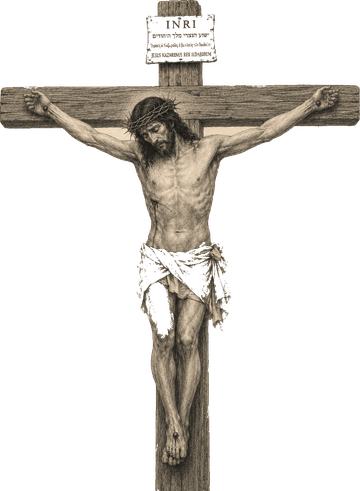
The Universal Norms on the Liturgical Year state that Holy Week has as its purpose the remembrance of Christ's Passion, beginning with his Messianic entrance into Jerusalem. It opens with Palm Sunday of the Passion of the Lord and runs through Holy Saturday. Lent itself continues until the Evening Mass of the Lord's Supper on Holy Thursday, at which point the Easter Triduum begins; so the last three days of the week belong to the Triduum rather than to Lent. The weekdays from Monday to Thursday rank in the first class of the Table of Liturgical Days, above every solemnity and feast, so no celebration of the saints may be kept on them and any impeded solemnity is transferred. The Gospels of those days follow the Lord toward the Passion: the anointing at Bethany, the betrayal foretold, and the bargain of Judas. On Holy Thursday morning, or on another day of the week where pastoral need requires, the bishop celebrates the Chrism Mass in the cathedral with his presbyterate, blessing the oil of the sick and the oil of catechumens, consecrating the sacred chrism, and receiving the priests' renewal of their promises. The Church has always urged that the faithful prepare for these days by the sacrament of penance, and many parishes provide communal celebrations of reconciliation during the week. The Office of Readings and Morning Prayer of the Triduum, sung together in the traditional form called Tenebrae, remains a treasured observance. The Directory on Popular Piety and the Liturgy encourages processions, the Stations of the Cross, and other customs of these days while insisting that they be ordered to the liturgy, which is their source and summit and which no devotion may replace.
Kind
Liturgical season
Season
Lent
Content subtype
liturgical_season