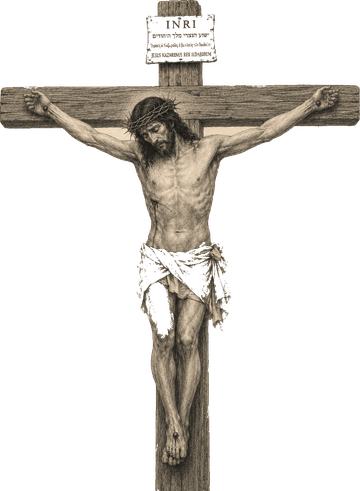
Spiritual Life
Abstinence from Meat
Fasting · Latin Church tradition
The Church's oldest and simplest common penance: on appointed days the faithful take no meat, so that the whole body of Christians denies itself the same thing on the same day.
Instructions
Abstinence binds on Ash Wednesday, on Good Friday, and on the Fridays of Lent; outside Lent it binds on Fridays unless the episcopal conference has permitted a substitution or a solemnity falls on that Friday. What is forbidden is meat — the flesh of land animals and of birds. Paul VI's Paenitemini states the norm plainly: the law of abstinence forbids the use of meat, but not of eggs, the products of milk, or condiments made of animal fat; fish and other cold-blooded animals are not covered. Canon 1252 binds those who have completed their fourteenth year; the law of fasting, which is distinct, binds those who have reached their majority until the beginning of their sixtieth year. Pastors and parents are charged with teaching the true meaning of penance to those whom age does not bind. In practice: plan the meal rather than improvising it, do not turn the day into an occasion for expensive seafood, and let the money or the pleasure forgone go to the poor. Those genuinely unable to observe abstinence — through illness, or as a guest with no choice of food — should substitute another penance, and a pastor may dispense or commute the obligation in individual cases.
Background
The current discipline rests on Paenitemini (1966) and canons 1249-1253 of the 1983 Code. In the United States the bishops' complementary norms govern how canons 1252 and 1253 are applied.
Practice kind
Fasting
Tradition
Latin Church
Frequency
Ash Wednesday, Good Friday, and the Fridays of Lent; other Fridays as determined
Content subtype
fasting