Spiritual Life
Ejaculatory Prayer and Aspirations
Vocal prayer · Common to the whole Church tradition
Very short prayers — a sentence, a name, a single cry — sent up repeatedly through the course of a day, so that prayer is not confined to the times set aside for it and the habit of God's presence is kept alive in the middle of work.
Instructions
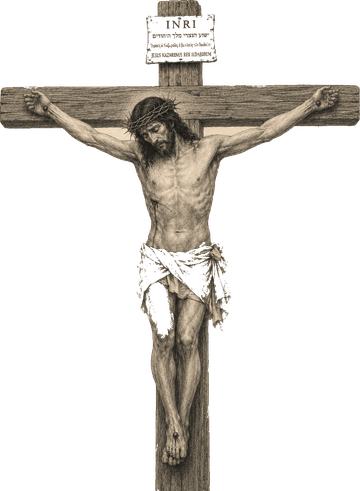
Choose two or three short forms and keep them until they are automatic: "My Lord and my God"; "Jesus, I trust in you"; "Lord, have mercy"; "Come, Holy Spirit"; "Mary, help of Christians, pray for us"; or simply the holy Name of Jesus. Attach them to fixed triggers so they are not left to memory — every time you cross a threshold, wait at a red light, wash your hands, open a message, hear a siren, pass a church. Say them at the moment of temptation, of anger, of fear, and again in gratitude when something goes well. Keep them short: an aspiration that grows into a paragraph has stopped doing this particular work. St Francis de Sales calls such prayers the retreat of the heart and holds that a devout life in the world depends more on them than on long exercises, and the Catechism, teaching that it is always possible to pray, quotes the Fathers on fervent prayer offered while walking, buying and selling, or cooking. When the day has been too full for anything else, these are what remain, and they are enough.
Background
The Catechism, on persevering in love, teaches that it is always possible to pray and cites the ancient counsel that prayer can be offered in the midst of any occupation. The practice is common to every school of Catholic spirituality and is treated at length by St Francis de Sales.
Practice kind
Vocal prayer
Tradition
Common to the whole Church
Duration
About 1 minute
Frequency
Many times a day
Content subtype
vocal_prayer