Spiritual Life
Meditating the Mysteries of the Rosary
Vocal prayer · Latin Church; associated with the Dominican family tradition
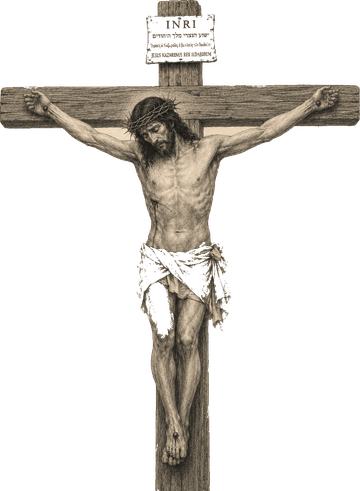
Praying the Rosary as St John Paul II asks it to be prayed — not as a recitation of Aves but as a contemplation of the face of Christ in the company of his Mother, with the mystery announced, a Scripture text heard, and silence kept before the beads begin.
Instructions
For each decade, follow the order Rosarium Virginis Mariae sets out. 1. Announce the mystery aloud, and if you can, place an image of it before your eyes. 2. Proclaim a short passage of Scripture that belongs to it — the Word of God, not a commentary. 3. Keep a moment of real silence before beginning the vocal prayers; John Paul II insists this pause is what turns recitation into contemplation. 4. Pray the Our Father, ten Hail Marys and the Glory Be, letting the repetition carry the mystery rather than compete with it; the name of Jesus at the centre of the Hail Mary is the centre of gravity of the whole prayer. 5. Add, where it is customary, the Fatima prayer, and conclude the Rosary with the Salve Regina or the Litany of the Blessed Virgin Mary. Keep a set of five decades a day if you can; a single decade prayed this way is worth more than fifteen rushed. The four sets of mysteries — Joyful, Luminous, Sorrowful and Glorious — are distributed across the week; the Luminous Mysteries were proposed by St John Paul II in 2002 and are freely, not obligatorily, used.
Background
The Directory on Popular Piety treats the Rosary among the pious practices most recommended by the Magisterium, and Rosarium Virginis Mariae (2002) sets out its method, adds the Mysteries of Light, and calls it a compendium of the Gospel. The Church's tradition has long associated the Rosary with the Order of Preachers.
Practice kind
Vocal prayer
Tradition
Latin Church; associated with the Dominican family
Duration
About 20 minutes
Frequency
Daily
Content subtype
vocal_prayer