Spiritual Life
Vocal Prayer
Vocal prayer · The common practice of the whole Church tradition
Prayer made in words — spoken aloud or formed silently on the lips — in which body and soul together turn to God. The Catechism calls vocal prayer an essential element of the Christian life and the most accessible of the three expressions of prayer.
Instructions
Fix the words and fix the time; both matter more than feeling. Begin with the Sign of the Cross and one line that places you before God. Then say the chosen prayer slowly enough to mean it, pausing wherever a phrase carries weight, and letting the body take part — standing, kneeling, bowing, hands joined — since we are body and spirit and pray with the whole of ourselves. When distraction comes, do not fight it: return to the words themselves, and to the One you are speaking to. A simple daily rule is enough to begin: on rising, the Our Father, the Hail Mary and the Glory Be; at noon, the Angelus; before sleep, an Act of Contrition and the prayer to your Guardian Angel. Add the prayers of the Church's own treasury as they become familiar. The Catechism notes that vocal prayer becomes an initial form of contemplative prayer to the extent that we become aware of him to whom we speak — so aim at attention, not at quantity.
Background
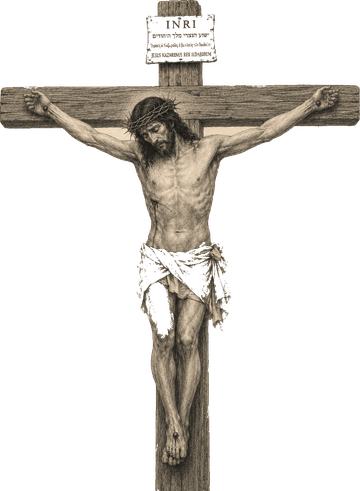
The Catechism treats vocal prayer in Part Four (CCC 2700-2704). Jesus himself taught his disciples a vocal prayer, the Our Father, prayed the liturgical prayers of the synagogue aloud, and raised his voice in personal prayer from the blessing of the Father to the agony of Gethsemane.
Practice kind
Vocal prayer
Tradition
The common practice of the whole Church
Duration
About 10 minutes
Frequency
Daily, morning and evening
Content subtype
vocal_prayer